
Hirst Transmission Specialists Blog

Major automatic transmission repairs can be quite costly, but many serious problems can be prevented with proper maintenance and responsible driving habits. The transmission is responsible for transferring engine power to the wheels while shifting gears automatically, making it essential to your vehicle’s performance. Fortunately, a few simple maintenance practices can help reduce wear and catch developing problems before they become serious. At Hirst Transmission Specialists, we provide expert transmission service in the greater Pensacola area. Here are four tips for helping prevent major automatic transmission repairs. Stay Current With Transmission Maintenance Following the manufacturer’s recommended transmission maintenance schedule is one of the best ways to protect your transmission. Depending on the vehicle, maintenance may include inspecting the transmission, checking fluid levels, replacing fluid, or servicing the transmission filter. Regular service helps ensure that components remain properly lubricated and operating as intended. Check the Transmission Fluid Transmission fluid plays an important role in lubrication, cooling, and hydraulic operation. Low or degraded fluid can contribute to excessive heat and wear. Check the fluid (or have it checked) according to your vehicle manufacturer’s recommendations and have the system inspected if you notice a low level or signs of a leak. Addressing fluid problems early can help prevent more serious transmission damage. Avoid Overloading Your Vehicle Excessive weight can place additional stress on an automatic transmission, particularly when towing or driving in demanding conditions. If your vehicle is regularly used for hauling or towing, make sure you stay within the manufacturer's recommended weight limits. Using the correct equipment and following towing guidelines can help prevent unnecessary transmission strain and overheating. Pay Attention to Shifting Problems Unusual shifting behavior should never be ignored. Delayed engagement, slipping gears, harsh shifts, hesitation, and unusual noises can indicate a developing transmission problem. Continuing to drive while these symptoms worsen may allow a relatively manageable issue to develop into more extensive damage. Having the vehicle professionally inspected when problems first appear can help identify the cause. Transmission Service in Pensacola, FL For expert transmission service in Pensacola and the surrounding area, contact Hirst Transmission Specialists at (850) 478-3395. Feel free to give us a call to make an appointment!

Your vehicle's transmission fluid does much more than lubricate moving parts. It also helps cool the transmission, provides hydraulic pressure for smooth shifting, and protects internal components from excessive wear. Over time, however, transmission fluid can become contaminated by dirt, metal particles, moisture, and the natural breakdown of the fluid itself. Driving with contaminated transmission fluid can lead to poor performance and costly repairs if the problem isn't addressed promptly. At Hirst Transmission Specialists, we can expertly handle your transmission fluid issues. Here are four common signs that your transmission fluid may be contaminated. Dark or Discolored Transmission Fluid Fresh transmission fluid is typically bright red or pink and has a clean appearance. As the fluid ages and becomes contaminated, it often turns dark red, brown, or nearly black. This discoloration usually indicates that the fluid has broken down or collected dirt and metal particles from normal transmission wear. Checking the fluid's color during routine maintenance can help identify potential problems before they become more serious. Burnt Smell Healthy transmission fluid generally has a mild, slightly sweet odor. If the fluid smells burnt, it often means excessive heat has caused it to break down. Burnt fluid loses many of its protective properties and can no longer lubricate or cool the transmission effectively. A burnt odor should never be ignored, as continued driving may accelerate internal wear and increase the risk of transmission failure. Rough or Delayed Shifting Contaminated transmission fluid can interfere with the hydraulic pressure needed for smooth gear changes. As a result, you may notice delayed engagement when shifting into drive or reverse, rough or jerky gear changes, or gears that seem to slip unexpectedly. While other transmission problems can produce these symptoms, contaminated fluid is a common contributing factor that should be addressed promptly. Unusual Transmission Noises Dirty or degraded transmission fluid may no longer provide adequate lubrication for internal components. This increased friction can lead to unusual sounds such as whining, humming, buzzing, or grinding. These noises may indicate that contaminated fluid is allowing excessive wear to occur inside the transmission. A professional inspection can determine whether fluid service or additional repairs are needed. Transmission Service in Pensacola, FL For expert transmission service in Pensacola and the surrounding area, contact Hirst Transmission Specialists at (850) 478-3395. Feel free to give us a call to make an appointment!
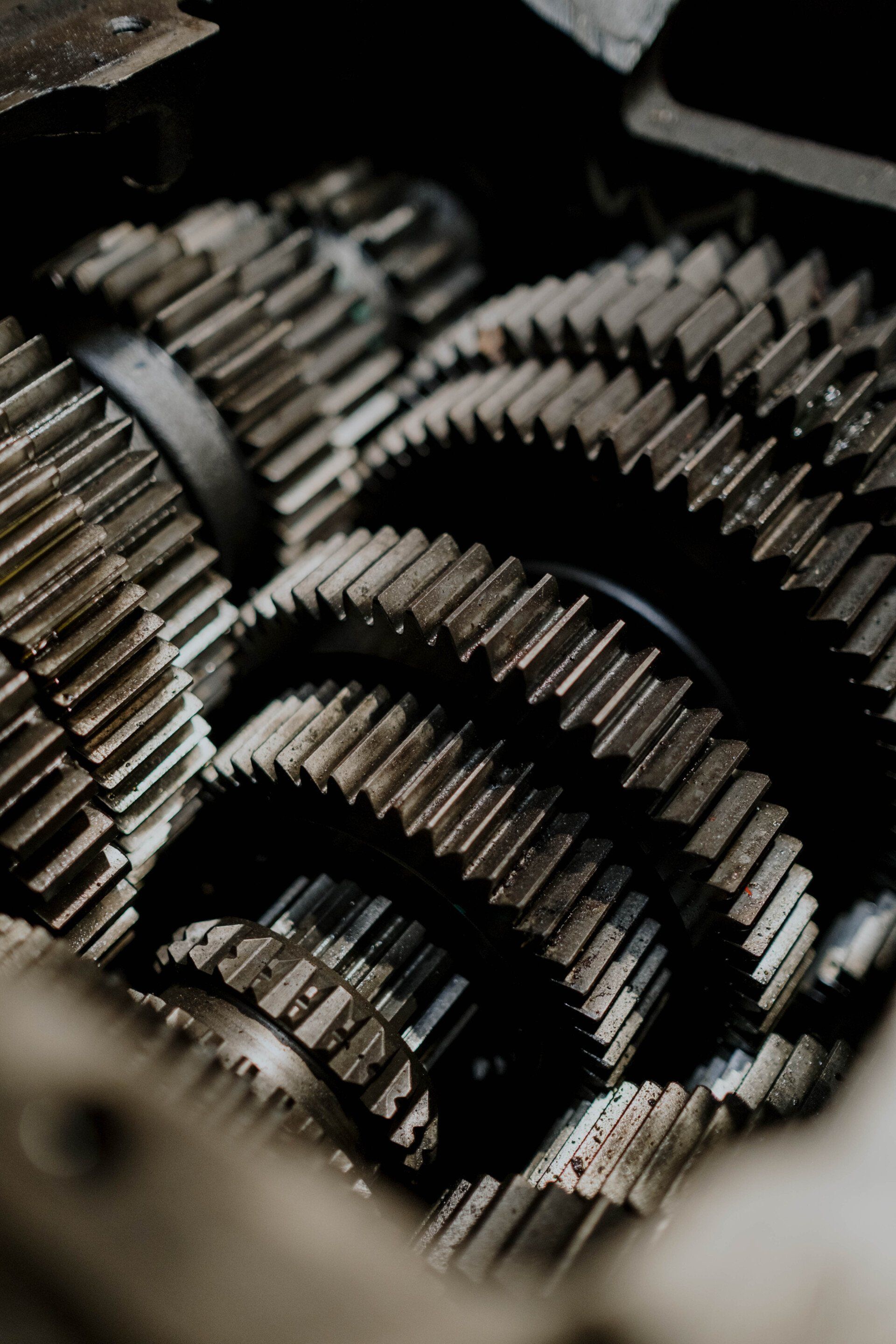
Your vehicle's transmission relies on clean, properly maintained transmission fluid to lubricate moving parts, regulate temperature, and enable smooth gear changes. Even a small transmission fluid leak can eventually lead to low fluid levels, overheating, slipping gears, and costly transmission damage. Recognizing where leaks commonly occur can help you address problems early and avoid more expensive repairs. At Hirst Transmission Specialists, we provide expert transmission fluid leak detection and repair in the greater Pensacola, FL area. Here are four of the most common sources of transmission fluid leaks. Worn Transmission Pan Gasket One of the most common places for a transmission fluid leak is the transmission pan gasket. The transmission pan holds the fluid, while the gasket creates a tight seal between the pan and the transmission housing. Over time, heat, age, and vibration can cause the gasket to crack. The transmission pan itself may also become damaged by road debris or corrosion, allowing fluid to escape. Replacing a worn gasket can often stop the leak before it becomes more serious. Damaged Transmission Cooler Lines Transmission cooler lines carry hot transmission fluid to and from the cooler to help regulate operating temperatures. Because these lines are exposed beneath the vehicle, they can become damaged by road debris. Even a small puncture or loose connection can allow fluid to leak. Promptly repairing damaged cooler lines helps prevent fluid loss and protects the transmission from overheating. Failing Output or Input Shaft Seals The transmission contains multiple seals that prevent fluid from escaping. The input shaft seal and output shaft seal can suffer from regular wear. As these seals age, they may crack, allowing transmission fluid to seep out. Seal replacement requires professional service but can prevent larger transmission problems down the road. Loose or Faulty Transmission Drain Plug Many transmissions include a drain plug that allows technicians to remove fluid during maintenance. If the drain plug becomes loose, transmission fluid may slowly leak onto the ground. Tightening or replacing the drain plug can often eliminate this simple but important source of fluid loss. Transmission Fluid Leak Repair in Pensacola, FL For expert transmission repair in Pensacola and the surrounding area, contact Hirst Transmission Specialists at (850) 478-3395. Feel free to give us a call to make an appointment!